How do you know a water heater problem is urgent? Usually it is one of four things: active flooding, a discharging relief valve, dangerously hot water, or a gas odor. Flooding is the one that surprises people most. A failed tank is still connected to the cold supply, so it keeps refilling and leaking long after its own contents are gone, and the damage reaches finished floors and lower rooms fast. A temperature and pressure relief valve that keeps releasing water or steam is the heater signaling a safety limit has been exceeded. Scalding water points to a runaway thermostat or gas control. A gas smell is its own category and has its own first steps, covered below. Across Blue Springs, MO, we move each of these to the front of the line.
Before anything else, rule out gas. A rotten-egg odor near the heater means everyone leaves the house, no one touches switches or appliances while leaving, and the call goes to your gas utility or 911 from a safe distance. If there is no gas smell, focus on stopping the water: close the cold supply valve at the top of the heater, or the main shutoff if the heater valve is seized. Next, cut the energy to the unit, turning a gas control to OFF or switching off the dedicated breaker on an electric model, as long as you are standing on dry ground. Do not try to stop a discharging relief valve. Plugging it removes the last safeguard against a tank that is overheating. Once things are isolated, call (816) 219-8423 and we will help.
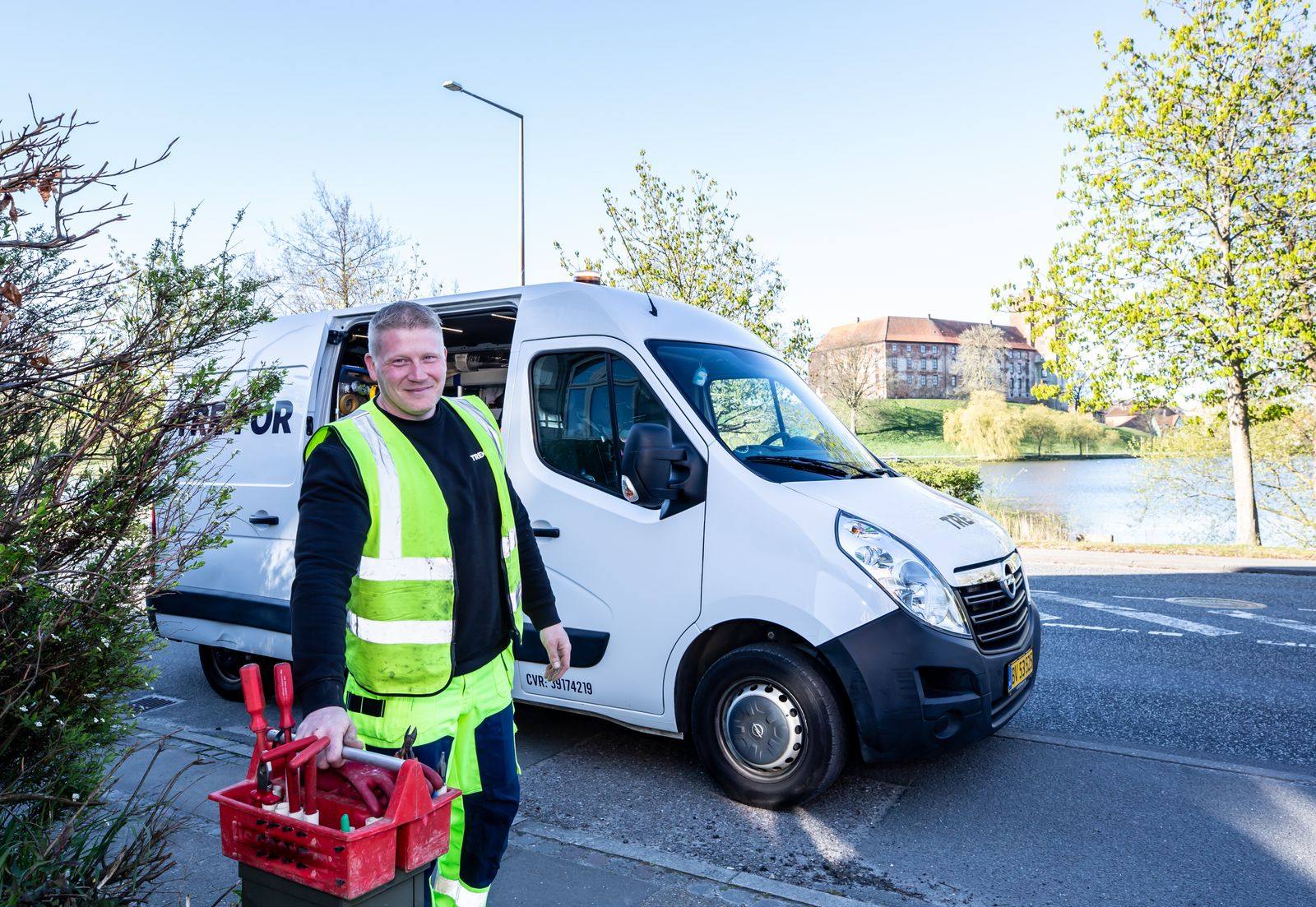
When you reach Blue Springs Water Heater, we start by asking what you see, hear, and smell, and we confirm the shutoffs are holding before a truck rolls. We dispatch as quickly as we can and give you an honest arrival window rather than a promise we cannot keep. Our trucks carry the parts behind most urgent failures, including relief valves, thermocouples, flame sensors, heating elements, thermostats, drain valves, and supply connectors, so plenty of emergencies are fixed in a single visit. When the tank itself has failed, patching it would not be honest work, so we explain replacement options, secure the area, and restore hot water as soon as the new heater is in. For emergency water heater repair in Blue Springs, call (816) 219-8423.
Most of our service calls are for Water Heater Repair in Blue Springs. Either is a good place to start.
Warning Signs to Watch For
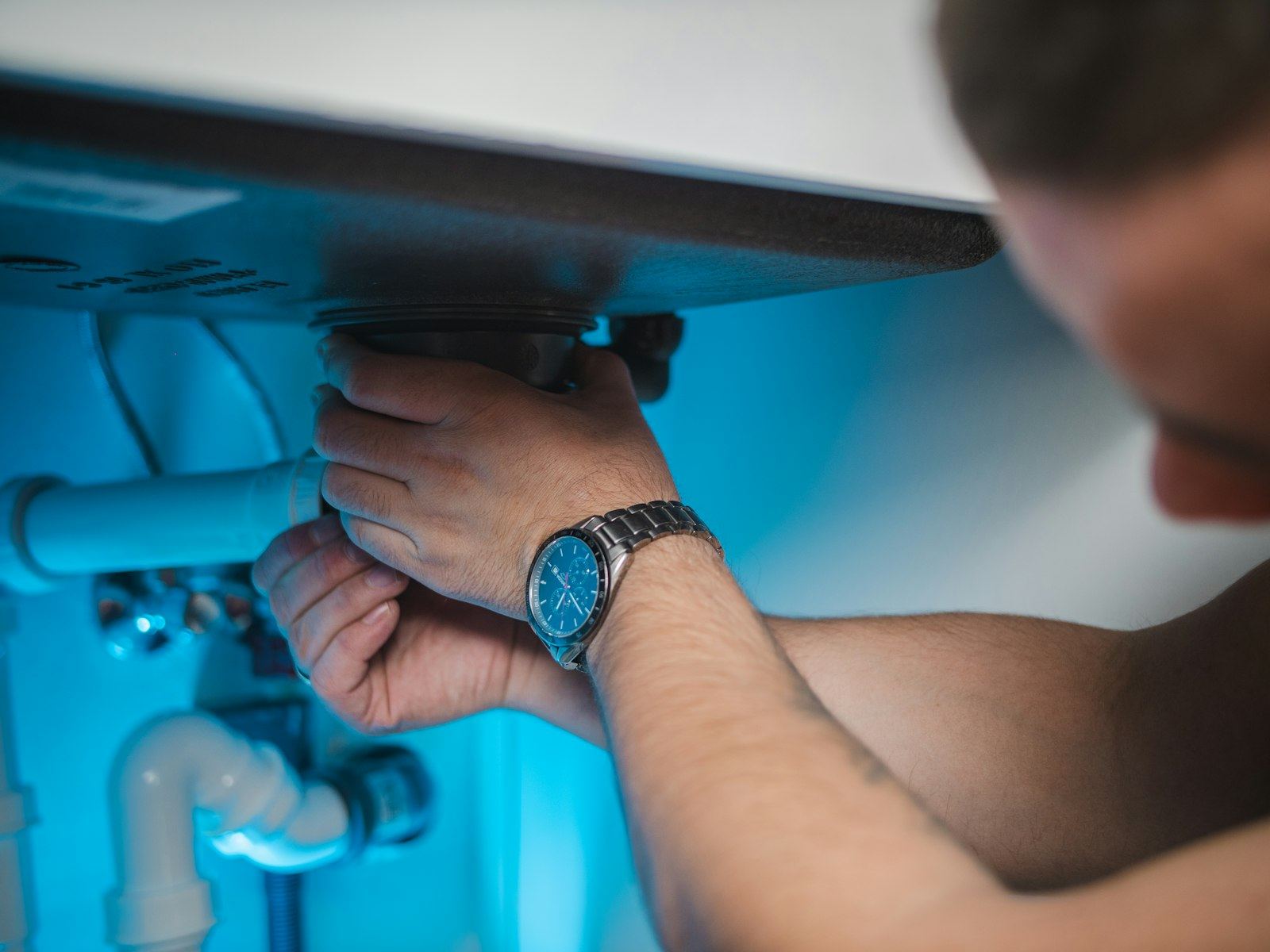
Recognizing the warning signs early can save you money and keep a slow drip from turning into a flooded utility room. These are the red flags our technicians see most often before a breakdown:
- Standing water around the water heater that returns after you wipe it up
- An electric water heater that keeps tripping its circuit breaker
- Violent rumbling or banging from the heater as it runs
- A T&P valve that releases water repeatedly instead of staying closed
- Black soot or heat discoloration around the burner door or draft hood
- Water at the tap that is suddenly scalding hot
- A complete loss of hot water throughout the house
- The smell of gas near the unit, a situation that calls for evacuating and phoning the utility or 911
A Slow Leak Never Stays Slow
Tanks rarely fail all at once. They corrode from the inside for months, and the warning signs show up long before the floor gets wet. At the first hint of a problem, reach out to Blue Springs Water Heater at (816) 219-8423 and we'll take a look.
Get Emergency Water Heater Repair Handled Today
One call gets a technician scheduled and a clear price before any work starts.
Get Help: (816) 219-8423Emergency Water Heater Repair FAQ
What a Trained Technician Brings to the Job
Emergency calls bring together electricity, gas, heat, pressure, and water, which is exactly the mix that makes do-it-yourself work risky. An electric heater sits on a 240-volt circuit that should never be handled while standing in water. A gas heater has fuel piping, a burner, and a vent that can leak exhaust into the room if something is out of place. The tank itself holds scalding water under pressure, and a discharging relief valve is signaling an unsafe condition that must be solved, not silenced. Blocking the discharge pipe, relighting next to a gas odor, or forcing a rusted connection are mistakes we see far too often.
What does a professional add in the middle of an emergency? Certainty and safe sequencing. We verify the shutoffs, check for gas leaks with proper tools, and confirm the area is safe for electrical work. Then we find the root cause. A discharging relief valve often means high street pressure or no room for thermal expansion; a puddle might be a drain valve, a dielectric fitting, condensation, or a failed tank; a cold house may trace back to a thermocouple, an element, or a tripped high-limit switch. No two of those share a fix. We repair what can honestly be repaired, and when the tank is the problem, we explain your replacement options clearly and without a hard sell.
From Your Call to Hot Water
We follow the same careful process on every water heater, whether it's a quick thermostat swap or a full tankless conversion. Here's a look at each step our team takes:
Phone Triage & Shutoff Help
We start on the phone: confirm there is no gas odor, help you close the cold supply and turn off gas or power, and talk through what to move out of the water's path.
Dispatch & Site Safety
We send a technician with a stocked truck and give you a realistic time frame. The first job on arrival is confirming the heater is isolated and the area is safe to work in.
Diagnose & Repair
We trace the real cause, from a failed relief valve or drain valve to a corroded fitting or burned-out element, and repair it on the spot when the part is on the truck.
Safe Restart
Restarting correctly matters. We fill the tank before power or gas returns, check fittings and the relief valve for leaks, verify draft on gas units, and leave the thermostat near 120F.
Prevention Tips That Actually Help
A little routine care goes a long way toward keeping a water heater running well past its expected lifespan. Here's where to begin:
- Drain a few gallons or flush the tank annually to keep sediment from cooking the tank floor
- Check the temperature and pressure relief valve each year so you know it will work when it matters
- Store chemicals and flammables far from the burner, and keep the area around the heater uncluttered
- Set the temperature around 120F, which protects against burns and slows tank wear
- Put the heater in a drain pan piped to a floor drain or the exterior where the setup allows
- Find and label the cold-water shutoff at the heater and the main house valve now, before you ever need them
- Add a battery leak alarm or an automatic shutoff valve that closes the supply when it senses water
Doing It Yourself vs. Hiring a Technician
Online videos may help in a pinch, yet lasting repairs and code-compliant installs depend on correct venting, proper relief valve discharge piping, and a trained technician. Here's a comparison:
| Factor | DIY Attempt | Professional Service |
|---|---|---|
| Gas Odor | Risk of ignition while investigating | Evacuate, utility clears it, then leak testing |
| Stopping the Leak | Hunting for shutoffs while water spreads | Water stopped and drain-down done properly |
| Relief Valve | Discharge silenced without finding the cause | Pressure and expansion checked, valve replaced if worn |
| Electrical Hazard | Live wiring close to a flooded area | Circuit verified dead before any work |
| Finding the Cause | Symptom treated, source unknown | Exact source traced before parts are swapped |
| Result | Temporary patch, risk of repeat flooding | Lasting repair or honest replacement advice |
Let's Get Your Hot Water Back
Every day a leak or a failing part goes unchecked puts more stress on the tank. Get Blue Springs Water Heater on the job today.
Call (816) 219-8423 NowCommunities We Cover
We bring emergency water heater repair to homes and businesses in town and across the nearby communities. Pick your area to see local details.